Manhattan, KS, and Kansas State University are woven together through years of tradition and community.
At the center of Manhattan, KS, is Kansas State University, affectionately known by locals and alumni as K-State. Whether you’re a student chasing big dreams, a visitor wandering the limestone-lined campus, or a longtime Wildcat fan humming the Wabash Cannonball, Kansas State University is woven into the fabric of life here in the Little Apple.
For many of us who live here, K-State isn’t just a university. It’s tradition, energy, and community all wrapped into one beautiful stretch of campus in the Flint Hills. I first moved here to attend K-State in 1998. The campus seemed so large when I first came. Now, when I look at the campus and all the growth, I am in awe of where it was when I came.
Today, Kansas State University enrolls more than 20,000+ students and continues to grow as a major research and teaching institution. But the story of Kansas State University goes back 160 years to the earliest days of Manhattan.
The History of Kansas State University
Kansas State University traces its roots back to the founding of Bluemont Central College in 1858, when Manhattan settlers envisioned an agricultural school dedicated to advancing farming and science on the Kansas prairie. In 1863, the school officially became Kansas State Agricultural College, making it the first operational land-grant university in the United States.
Even more impressive, especially for the time, the university admitted men and women equally from the very beginning, a progressive move that shaped the inclusive culture K-State still celebrates today. Over the decades, the university evolved into the modern research institution we know today. K-State offers is students access to 250+ academic programs across agriculture, engineering, business, education, veterinary medicine, and more.
One of the things I love the most is that while the campus has grown and the programs have expanded, the spirit of K-State has stayed remarkably the same.
Purple pride runs deep here; it's everywhere, even down to our purple trash cans.

A Campus Built from Kansas Limestone
One of the most striking things about Kansas State University is its campus. If you walk through the grounds on a fall morning, the limestone buildings glow softly in the sunlight — a reflection of the same Flint Hills rock that built so much of Manhattan.
The campus is expansive but welcoming, with tree-lined walkways, historic halls, and green spaces where students gather between classes. It feels both historic and alive at the same time.
Some of the most recognizable landmarks include:
Anderson Hall
The iconic building with the tall clock tower that appears in nearly every K-State postcard.
The Kansas State Gardens
A beautiful, hidden gem where visitors can wander through demonstration gardens and quiet outdoor spaces.
The K-State Student Union
A central hub for dining, studying, and campus events.
And if you’re visiting during football season, you’ll quickly discover that campus energy reaches an entirely different level.
Old Stadium/Ahearn Fieldhouse
These two spots are embedded in K-State sports history as few other places will ever be. They are part of the roots.
Game Day at Kansas State University
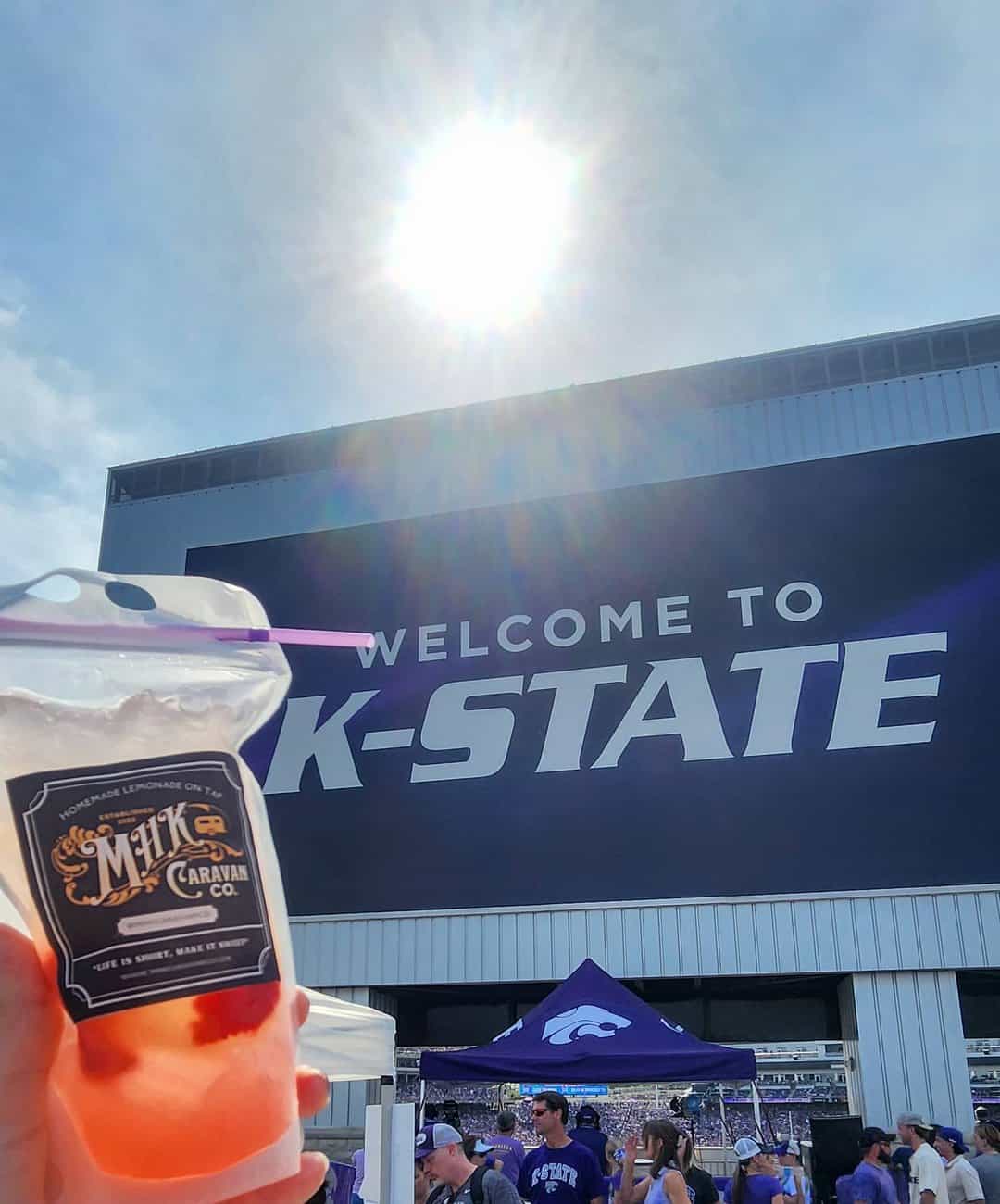
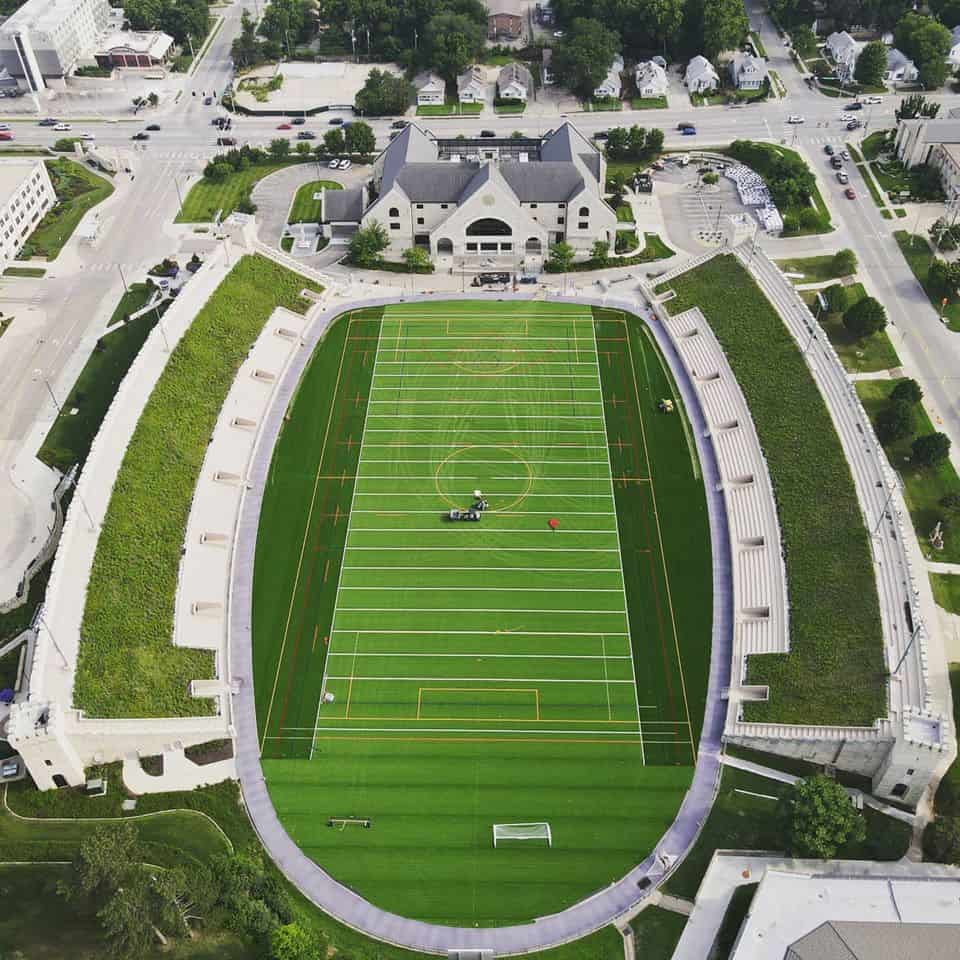
If you’ve never experienced a K-State football Saturday, put it on your list. Home games are played at Bill Snyder Family Stadium, which opened as KSU Stadium in 1968 and now seats 50,000+ fans. Hours before kickoff, the parking lots surrounding the stadium fill with purple tents, grills, and fans who have turned tailgating into an art form.
Inside the stadium, traditions come alive. The Pride of Wildcat Land marching band takes the field, then Willie comes to hype the crowd, the purple smoke rolls, the door opens, the KSU Fight song plays, and then one of the most beloved traditions, the Wabash Cannonball
Over the years, Bill Snyder transformed K-State football from an underdog program into a nationally respected competitor, and the stadium now bears his name in honor of that legacy. But football isn’t the only sport drawing crowds. Basketball games at Bramlage Coliseum (known to fans as the Octagon of Doom) bring just as much excitement to Manhattan winters. K-State's Volleyball program packs fans into its new stadium and gives fans an unprecedented experience.
K-State’s Impact on Manhattan
Kansas State University doesn’t just sit inside Manhattan, it KS, it helps to shape the entire community. The university helps to fuel the local economy, supports research and innovation, and brings a constant flow of students, alumni, and visitors into the city.
Just north of campus, the National Bio and Agro-Defense Facility (NBAF) and related research initiatives are positioning Manhattan as a global hub for biosecurity and animal health research. That kind of impact stretches far beyond campus borders. But perhaps the most visible connection between the university and the city is Aggieville.
Aggieville: The College Town Experience
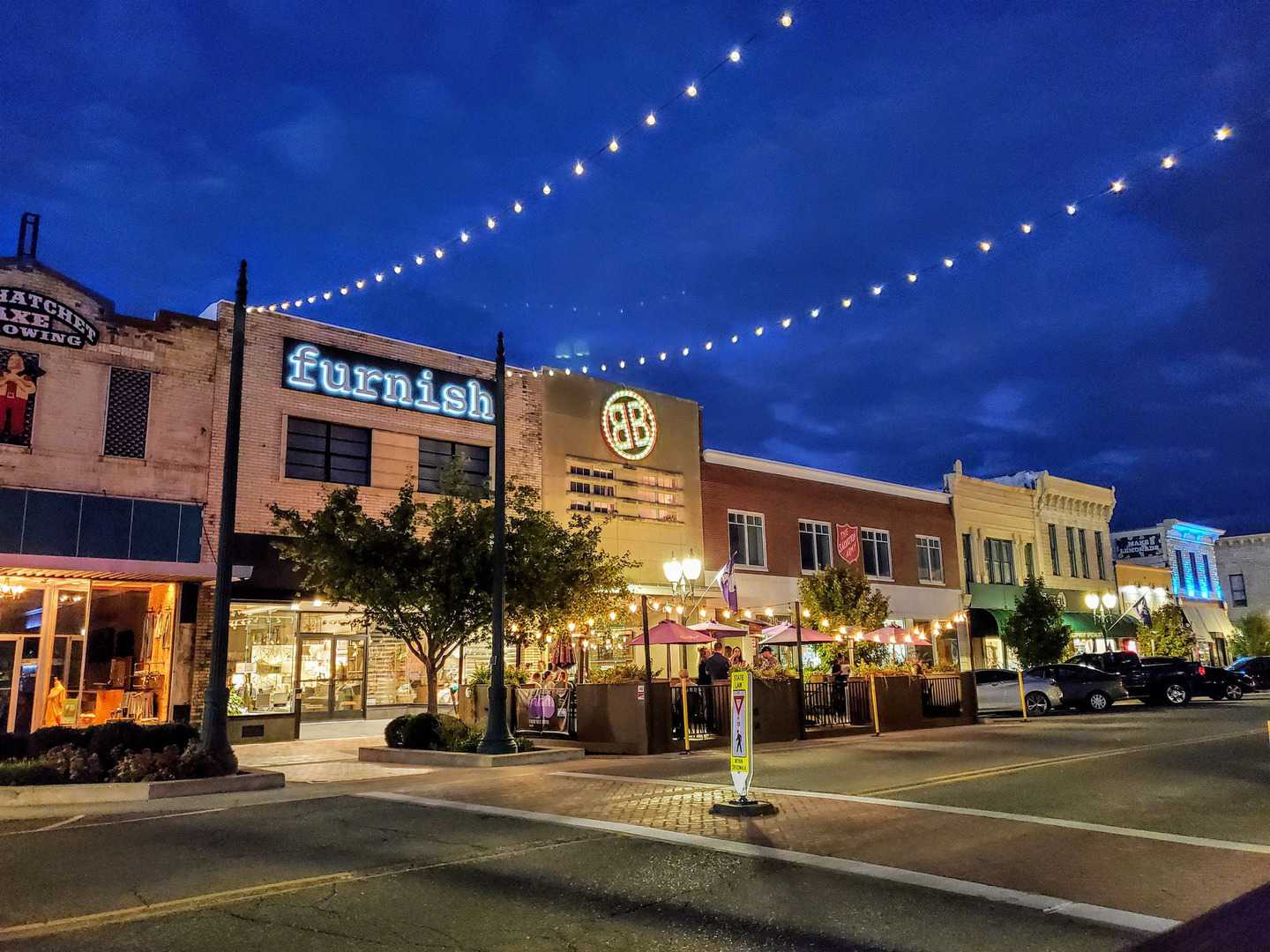
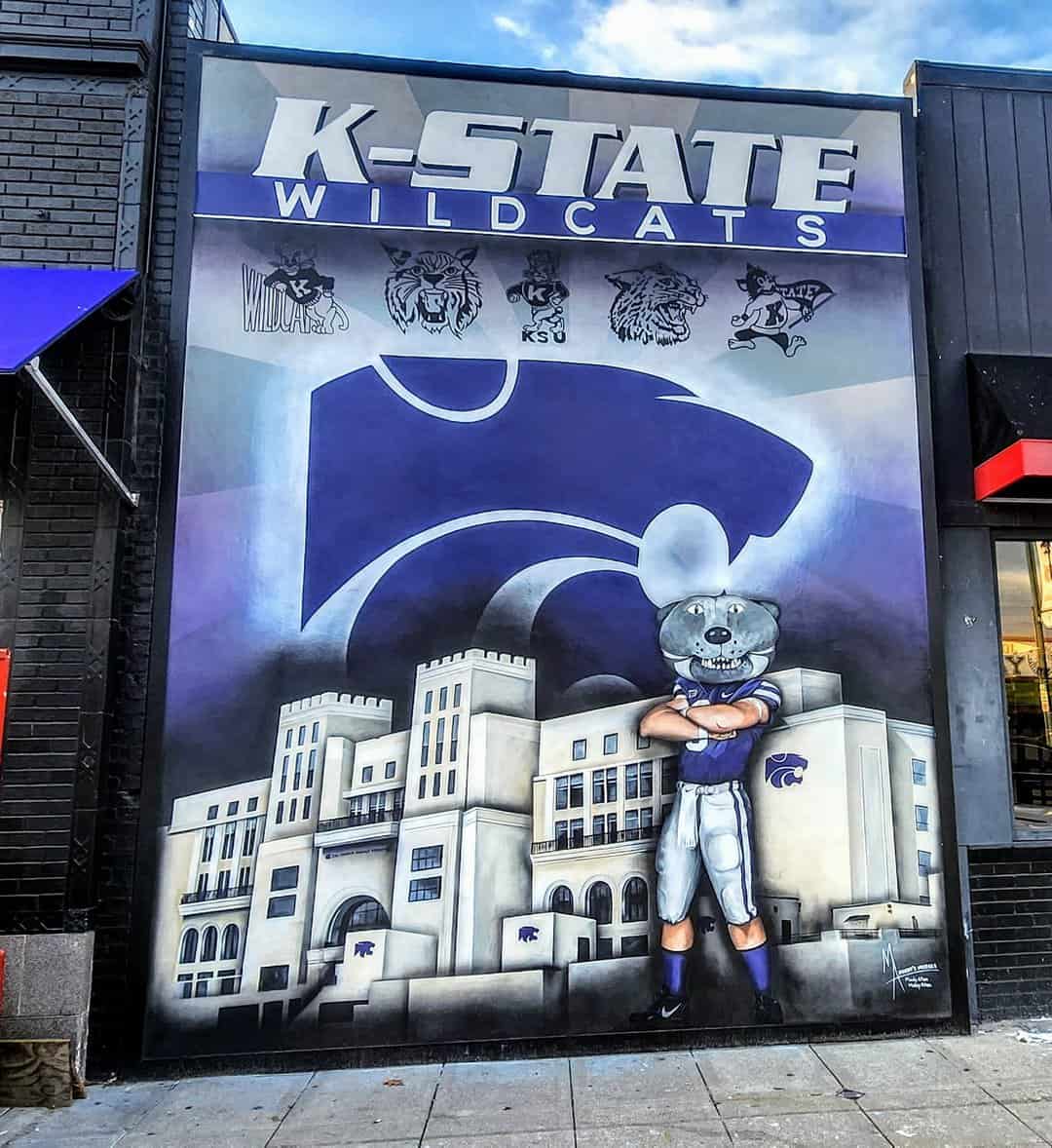
Right across from campus sits Aggieville, one of the most beloved college districts in the Midwest. This historic entertainment district is filled with restaurants, coffee shops, bars, and locally owned businesses that serve students, alumni, and locals alike.
On any given day or night, you’ll find:
• Students grabbing coffee after class
• Alumni reliving their college days
• Locals meeting friends for dinner
Aggieville is where the university and the community blend together — and it’s one of the reasons Manhattan feels so vibrant year-round.
Why Kansas State University Matters
For those of us who live here, Kansas State University represents more than classrooms and degrees.
It represents:
Community
Tradition
Innovation
Opportunity
It’s where lifelong friendships are formed, careers begin, and traditions are passed down through generations of Wildcat families. Whether you attended K-State or simply call Manhattan home, it’s hard not to feel a little purple pride when you walk across campus.
In the Little Apple, Kansas State University isn’t just a place. It’s a way of life.