I underwent 20 rounds of radiation (four with boost) for breast cancer. Radiation is tough, thankfully I was given some tips and tricks by my doctors and staff to help me get through it!
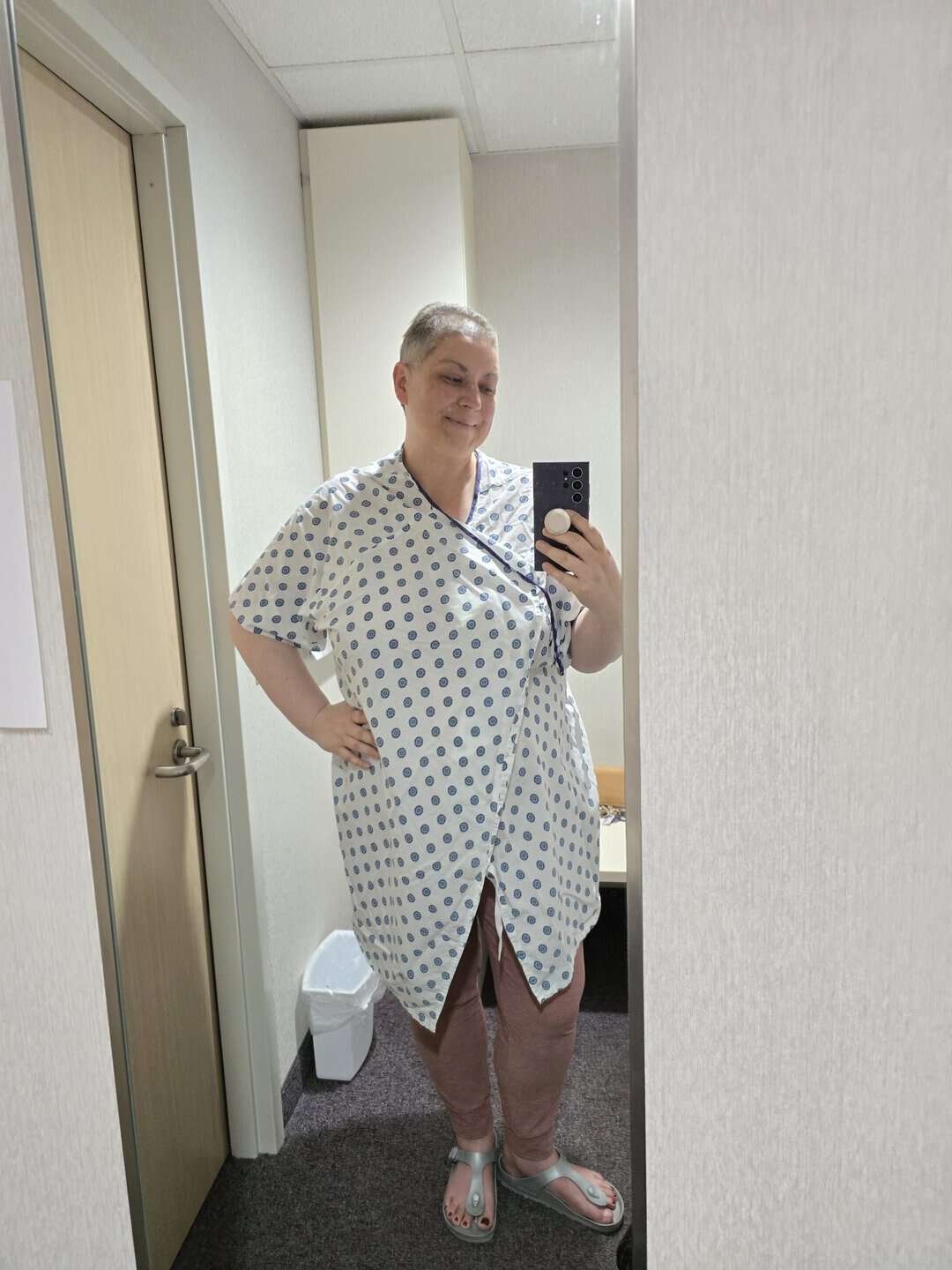
I was devastated when I found out I needed more chemotherapy and radiation at the same time. After a good cry, I called my husband. While I shed a few more tears, he reminded me that these were the cards we were dealt, and we had to play them. His words helped me pick myself up, realizing he was right—at the end of the day, it is what it is.
At my first radiation appointment, I met with my Radiation Oncologist and his team, he explained why they were recommending 20 rounds of radiation, plus four with a boost. I was anxious because, like everything else, I hadn’t done much research on radiation, hoping I could avoid it altogether or maybe do five sessions. But, once again, things didn’t go according to my plan.
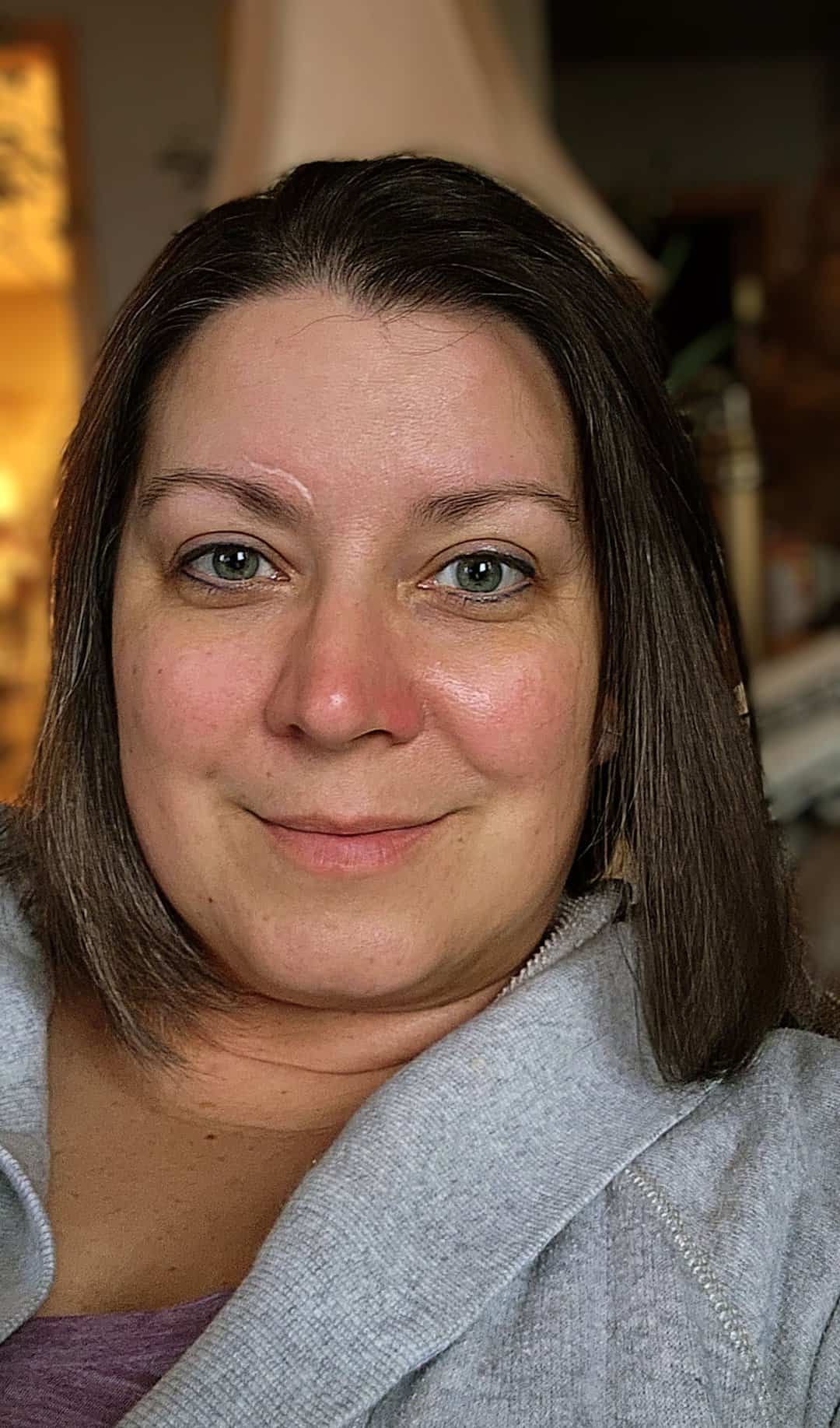
Radiation tattoos look like freckles
The next appointment involved getting radiation tattoos, measurements, and a walk-through of what to expect. These "tattoos" are small dots used to line up the machine accurately, and they look like tiny freckles. Maybe one day I will do something fun with them!
The following day, it was time to start. After changing, I was quickly called in, aligned on the table, and the treatment was over in less than five minutes. I couldn’t believe how fast it was—just like they’d told me.
Sessions 1 through 10 went smoothly. I used Aquaphor and Aloe religiously, but by sessions 11 through 15, my skin started changing. It became more tanned and sensitive. I added O’SEA oil on the weekends, as my doctor approved my use of the product. That evening, I noticed a bit of skin breakdown but didn’t mention it, thinking I only had four sessions left.
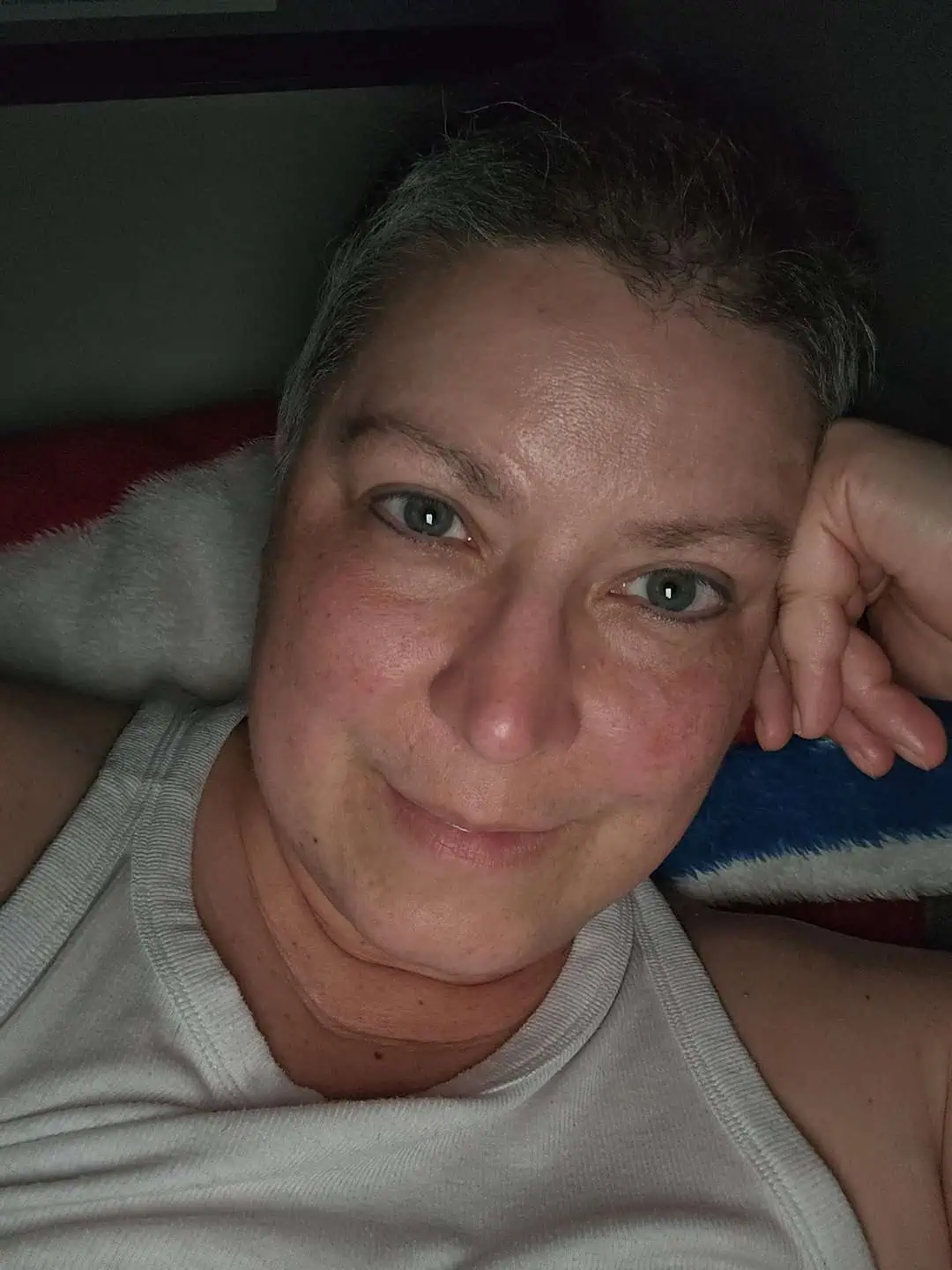
After session 16, things took a turn. That’s when the boost sessions started, and although I felt nothing during treatment, the aftereffects were intense. The heat radiating from my underarm and chest made me feel like I could fry an egg. To make things worse, Kansas summer had arrived in full force.
By session 18, I had some skin breakdown under my breast and it was painful. I started packing myself with cotton pads and non-stick bandages for some relief. When I met a different radiation oncologist (mine was out of the office), he gave me some of the best advice I’d heard: “Cornstarch is going to be your best friend.” I was skeptical but desperate for relief.
Cornstarch provided me with relief during radiation
When I got home, I tried the cornstarch. After a few failed attempts to "sprinkle" it under my chest (seriously, that’s impossible!), I finally just grabbed a handful and threw it on. Instant. Relief. I could have cried from the sheer comfort. Later, after my husband got home, he walked into the bathroom and asked if I knew what it looked like. I replied, “Like on TV when the DEA raids a drug house?” He laughed and said, “Exactly.” But I didn’t care—relief was worth the mess. Eventually, after a quick Google search, I learned that using a make-up brush was a much better way to apply the cornstarch!
The last few sessions brought more stinging, like a bad sunburn. One of the techs recommended tea bags to help. Instead of covering myself in Lipton bags, because that was going to be a LOT of Lipton, I steeped several tea bags in water, let it cool, and soaked a towel in the tea. After applying the tea-soaked towel off and on for about 24 hours, the stinging was gone.
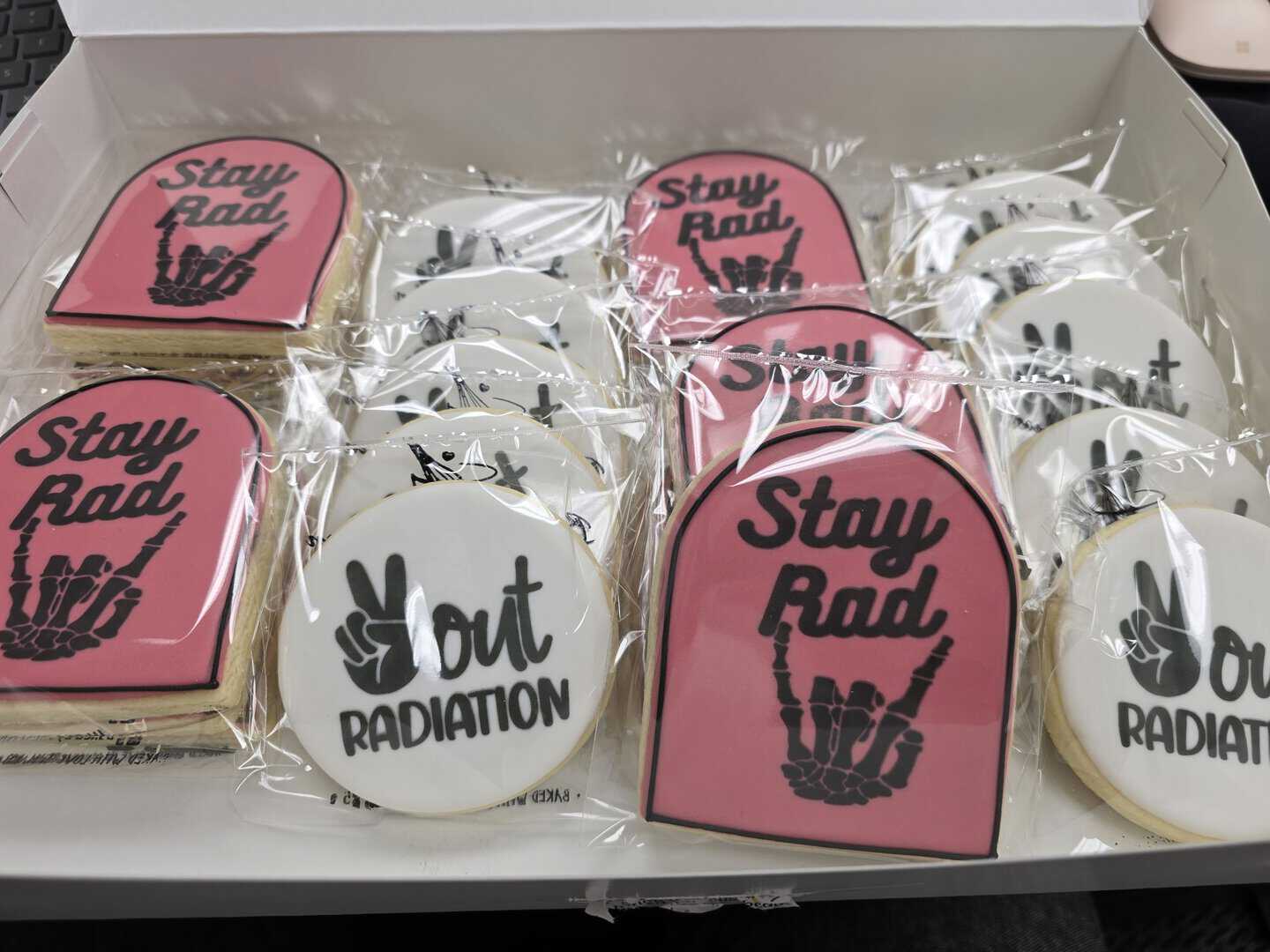
On my last day of radiation, I brought cookies to thank the staff. After my quick session, I received my "diploma," shared a few tears, and expressed my gratitude. Radiation had been so much harder than I expected—the daily appointments, the burns, the breakdown of my skin—it was just a lot. I have so much respect for anyone who has to endure more sessions than I did.
As I left, I said goodbye to the other patients I had seen daily. Cancer patients celebrate each other’s wins like no one else. We cried, we hugged, and we said our farewells. I walked to my car, took a deep breath, and felt proud. I had faced something incredibly tough, and I had made it through.