Why I Started a GLP-1 After Cancer Treatment: My Wegovy and Zepbound Journey
just as I did, to see what is right for you.
For a long time, I went back and forth about whether I wanted to talk publicly about this decision. But if the last few years of my life have taught me anything, it’s that honesty and sharing our stories can help someone else feel a little less alone in theirs.
So here it is.
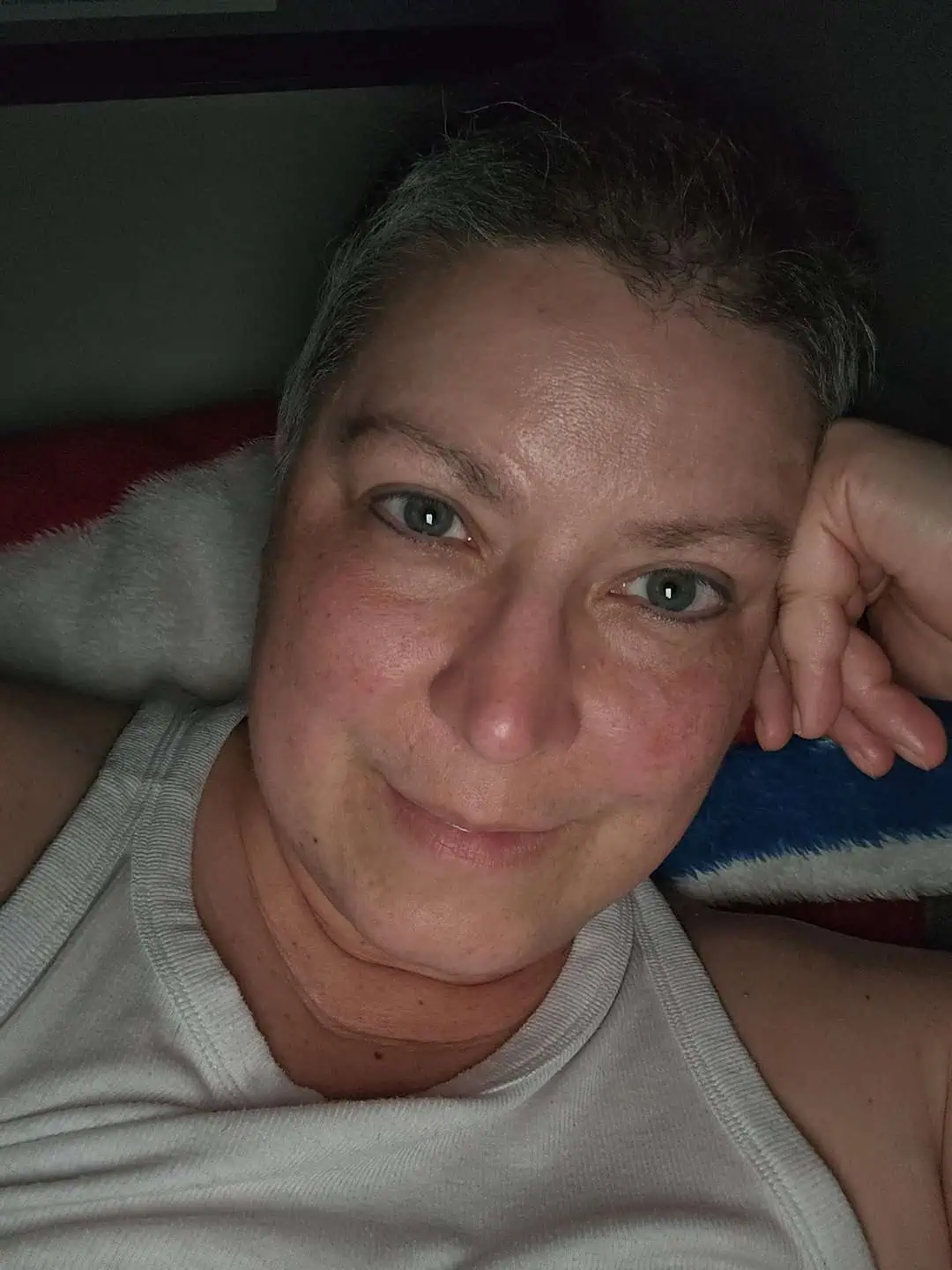
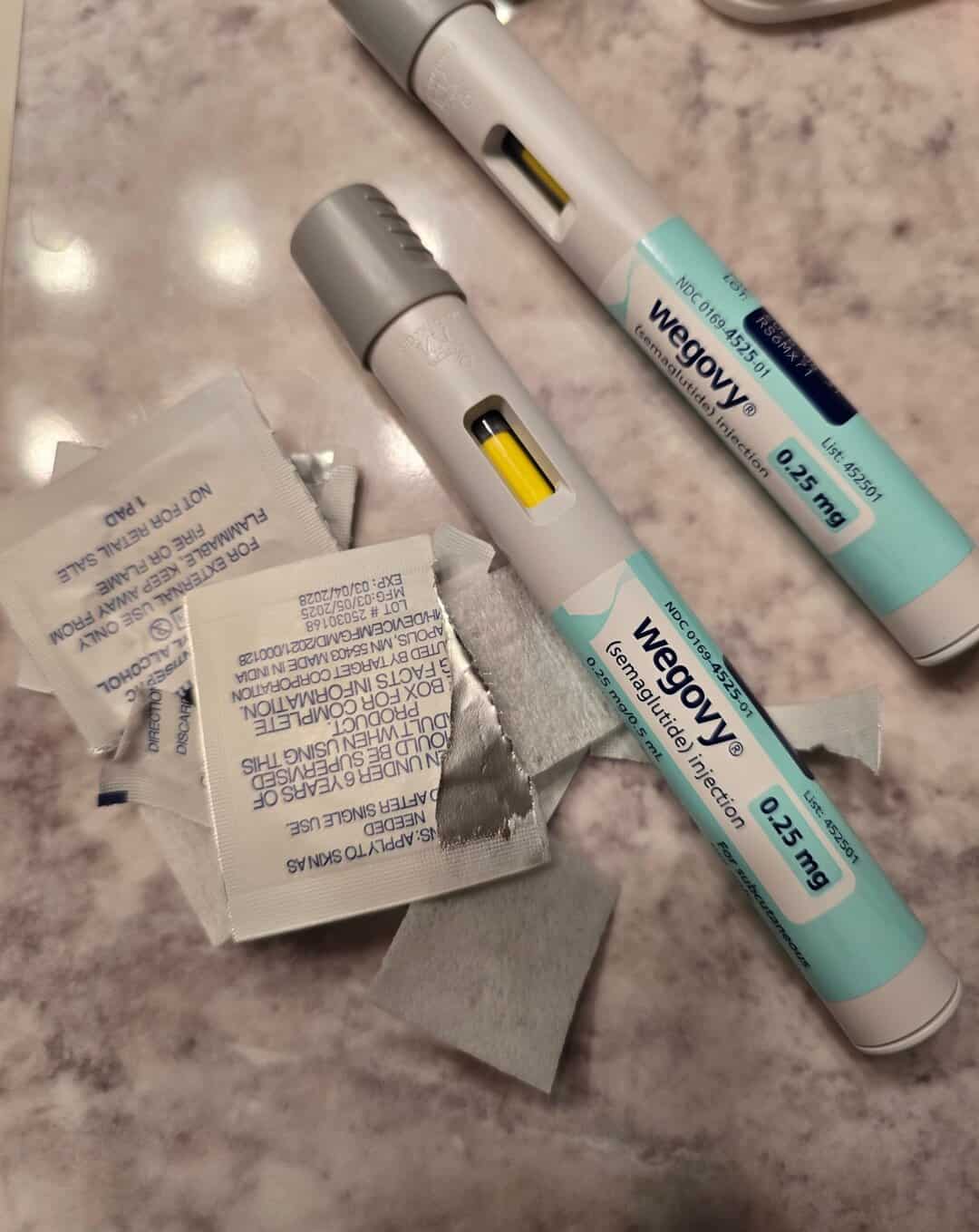
Last August, I made the decision to start a GLP-1 medication. I began with Wegovy and have since transitioned to Zepbound. It wasn’t a decision I made quickly, and it certainly wasn’t one I made lightly. It came after a lot of conversations, research, and reflection about my health after cancer treatment.
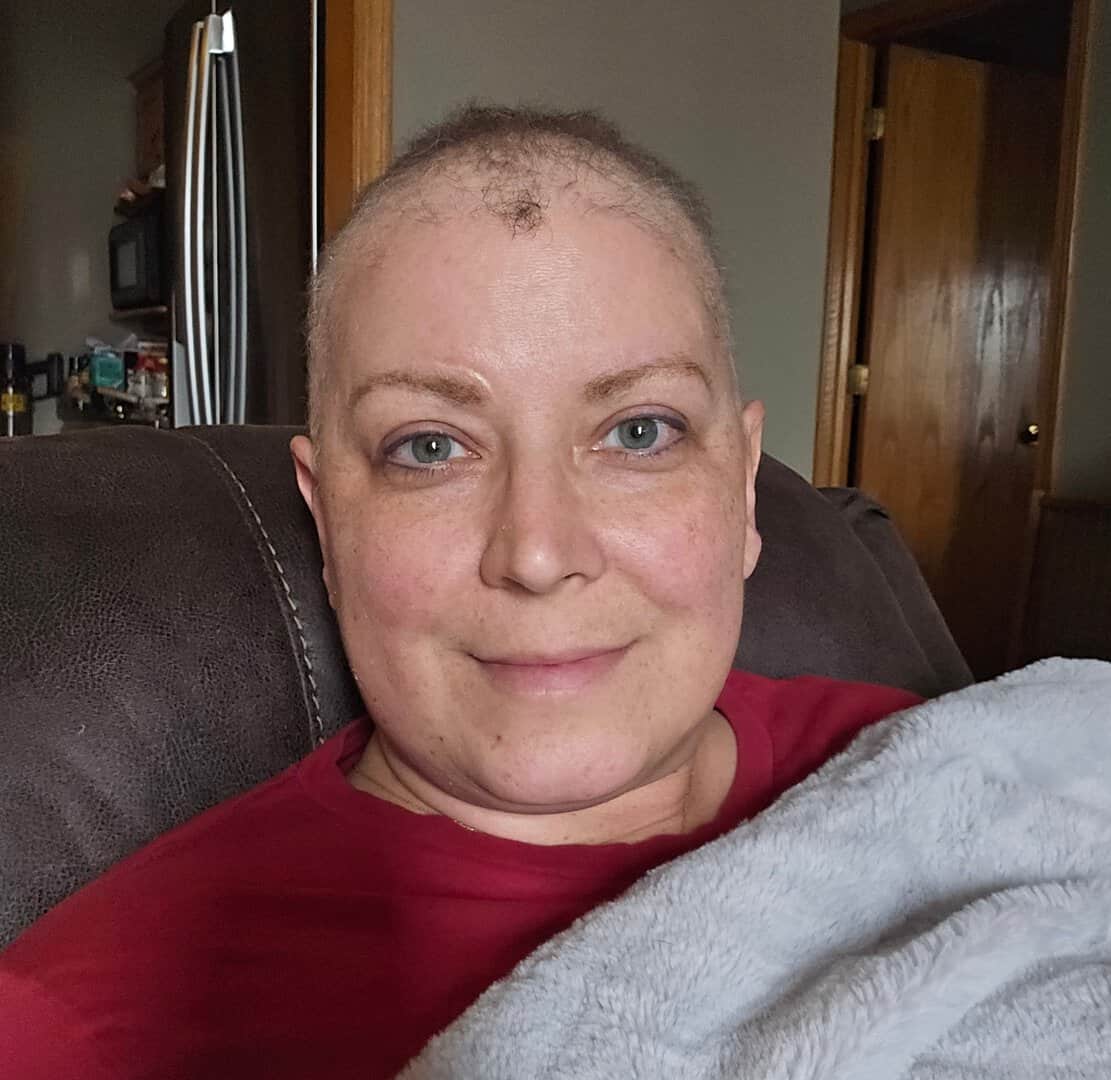
Life After Cancer Treatment
Cancer changes a lot of things in your life. Some of those changes are obvious, and some are quieter but just as impactful. After treatment, your body is not quite the same body it was before.
One of the medications many breast cancer survivors take is Tamoxifen. It plays an incredibly important role in reducing the risk of recurrence, and I am grateful for that protection. At the same time, many people who take Tamoxifen experience side effects that can affect muscles, metabolism, and overall energy levels.
I started hearing more and more conversations about GLP-1 medications like Wegovy and Zepbound and their potential role in helping mitigate some of the impacts associated with Tamoxifen and other cancer treatments. That caught my attention.
Not because I was looking for a quick fix, but because I wanted to understand whether this was something that could help my body recover and function better after everything it had been through.
Doing the Research
Before making any decision, I spent months doing what I tend to do with most things in life: researching and asking questions.
I talked with my oncologist, my primary care doctor, and several nurses who have been with me during this entire journey, as well as one of my best friends who works closely with these types of medications. I asked them about the drugs, the research, and whether they felt this could be a good option for someone in my situation.
I also spoke with people I trust who had personal experience with GLP-1 medications. I wanted to hear both the positive experiences and the concerns. What I found was that, like many medical decisions, there isn’t a single answer that fits everyone. Every person’s health history, goals, and body are different.
But it was the advice of one of my best friends that finally pushed me over the line. She said, “You’re going to know pretty quickly if it helps you or not.”
Starting Wegovy
In August, I started Wegovy.
Beginning any new medication can feel a little intimidating, especially when it’s something that has been widely discussed in the news and on social media. There are strong opinions in every direction. Plus, we had our trip to Ireland coming up, and I didn’t want to do anything that might potentially mess that up. Once again, I spoke with my primary care doctor, and together we came up with a plan.
For me, the focus wasn’t on trends or headlines. The focus was on whether this medication could help support my overall health after cancer treatment.
The goal was never about chasing a number on the scale or losing a bunch of weight. In fact, since August, I’ve maybe only lost about ten pounds. I honestly credit most of that to my body slowly working through inflammation from chemo and the fact that I’ve been able to move my body more in the past couple of months. Ironically, this medication has actually helped me want to move more.
That being said, my friend was right—I knew quickly.
I gave myself my first injection on a Tuesday evening. By Thursday afternoon, I was going through a drive-through and noticed that my foot and leg didn’t hurt when I pressed the gas pedal. I quickly pulled over and started analyzing what I was feeling. Holy crap… I didn’t hurt. I honestly couldn’t believe it.
I immediately texted my friend and told her my leg and foot pain were already gone. She replied, “Told you that you would know fast.” I told her I thought she meant something like 30–60 days.
She was happy I had found relief, and so was I. Being forced into medical menopause is tough, and then the medications and injections used to suppress estrogen can really wreak havoc on your body.
That’s why I tell people my goal was about feeling better. If I lost weight, great. I have some I could lose, but my real goal was helping my body find a new balance after everything it had been through.
Switching to Zepbound
After some time on Wegovy, my doctor and I decided to transition to Zepbound.
This was simply part of continuing to evaluate what option might work best for my body and my health goals. My body had started to not tolerate Wegovy well, so we made an adjustment.
Just like every other step in this process, it was a decision made in partnership with my medical team.
One thing cancer teaches you very quickly is the importance of listening to the professionals who understand your health history. You learn to ask questions, but you also learn to trust the expertise of the people guiding you through the process.
The Bigger Conversation
One of the reasons I wanted to share this story is because there is a lot of noise surrounding GLP-1 medications right now. Some people talk about them as miracle drugs. Others criticize their use entirely.
The reality, like most things in life, probably lives somewhere in the middle.
These medications are tools. For some people, they may be helpful. For others, they may not be the right fit at all. Talking with professionals, doing your research, and finding out what is right for you is what matters.
Encouraging People to Do What’s Right for Them
For me, starting a GLP-1 medication was never about chasing a trend or trying to find a shortcut. It was about trying to support my body after everything it had been through.
Cancer treatment changes you. The medications that help protect you from recurrence can also come with side effects that affect how your body feels and functions. For me, this was simply one tool to explore as I worked to find a new balance.
That doesn’t mean it is the right decision for everyone.
If there is one thing I learned throughout my cancer journey, it’s that health decisions are deeply personal. What works for one person may not be the right path for another, and that’s okay.
If you are considering something similar, my encouragement is simple: talk to your doctors, ask questions, and gather information from people you trust. Take the time to understand your options and make the decision that feels right for your body and your circumstances.
For me, the biggest success hasn’t been about a number on the scale. It has been about feeling better, having less pain, and being able to move my body again, which, during treatment, was something I swore to myself I would do more of.
And after everything my body has been through over the past few years, that feels like a pretty big win.